
The Hands and Heart of Care: Honoring CNAs During National CNA Week
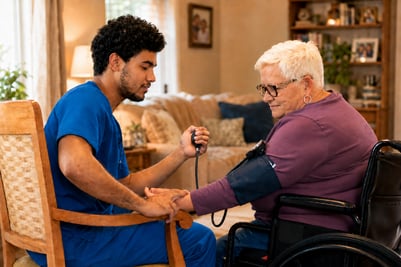
National CNA week is June 11-17 and is an opportunity to recognize the Certified Nursing Assistants who provide essential hands-on care to patients and clients every day. Their work is often quiet, personal, and deeply meaningful. In home-based care, CNAs help support some of the most important parts of daily life, making it possible for individuals to feel safer, more comfortable, and more cared for at home.
For many patients and clients, a CNA becomes part of the rhythm of daily life. They are there for the personal moments that shape how someone feels throughout the day, from helping them move safely through the home and taking vital signs to supporting their health care plan and offering the comfort of a familiar presence. That kind of support can help a person feel more comfortable, more secure, and more like themselves.
What Does a CNA Do?
Certified Nursing Assistants, or CNAs, complete state-approved nursing assistant training programs and pass a certification exam. As part of the broader care team, they are trained to provide care safely, respectfully, and consistently while supporting the needs of each individual person. While nurses are responsible for clinical care such as assessments, medications, treatments, and care coordination, CNAs focus on the daily needs that affect a person’s comfort, safety, dignity, and independence.
Their work may include basic nursing skills, personal care, infection control practices, safe transfers, proper positioning, mobility support, nutrition and hydration support, taking vital signs, and communicating important observations to the care team. In home-based care, these responsibilities are especially important because they often happen in the normal routines of a person’s day.
Helping someone move from a bed to a chair, repositioning them for comfort and skin protection, supporting them during a meal, or assisting with personal care all require attention to safety and technique. Done well, these moments can help reduce risks such as falls, skin breakdown, poor nutrition, dehydration, discomfort, or avoidable complications.
These tasks may sound simple on the surface, but they require patience, skill, compassion, and trust. Helping someone with personal care means being present during some of the most vulnerable and difficult parts of their day. A CNA may be supporting someone who is tired, afraid, embarrassed, in pain, or adjusting to a loss of independence. In those moments, the way support is given matters just as much as the task itself.
Respect is woven into every part of a CNA’s work. They help individuals receive the care they need at home while protecting their dignity, comfort, and independence. By paying attention to each person’s preferences and routines, CNAs provide support that feels personal, not one-size-fits-all.
Noticing the Small Changes That Matter
In home-based care, a change in condition can begin with something subtle. A person may seem more lethargic, need extra support while walking, eat less at mealtime, show signs of discomfort or agitation, or become confused during a familiar routine. These changes may appear small at first, but when they go unnoticed, they can sometimes lead to greater health concerns, safety risks, or avoidable hospital visits.
That is why a CNA’s presence is so important. Because CNAs often spend meaningful time with the people they serve, they may be among the first to notice when something feels different. A change in strength, appetite, mood, skin condition, mobility, sleep, or overall comfort can provide important insight into how a person is doing from day to day.
When those observations are shared with the broader care team, they can help families, nurses, and other professionals respond sooner. In home-based care, that careful attention can make a meaningful difference by helping identify changing needs before they become more serious.
A Familiar Presence in the Home
Home-based care is personal because it happens in a person’s own space. CNAs enter homes, routines, and family dynamics with care and respect. Over time, they often become a familiar and trusted presence, which can make it easier for patients and clients to accept the support they need.
That trust can have a real impact on physical care. When someone feels comfortable with the person helping them, they may be more willing to accept assistance with bathing, repositioning, walking, eating, or other more sensitive parts of their care plan. A familiar CNA can help make necessary care feel less intimidating, less embarrassing, and more manageable.
For many people, that relationship is built through consistency. It grows through small acts of care repeated day after day: a steady hand during a transfer, patience during a difficult routine, encouragement to take a few more bites at mealtimes, or reassurance when personal care feels uncomfortable. Those moments can help care happen in a way that protects health while still honoring the person receiving it.
Supporting Families
The work of a CNA also supports families. Caring for a loved one can be rewarding, but it can also be physically and emotionally exhausting. Family caregivers often carry the constant responsibility of managing a loved one’s safety, health, well-being, and daily needs. Over time, that weight can affect their own health and make caregiving feel overwhelming.
That is where CNAs can make a meaningful difference. The presence of a CNA can bring relief, reassurance, and peace of mind. Families know someone is there to help with important daily needs, provide companionship, support routines, and notice when something seems different. This does not replace the importance of family involvement, but it can help ease the pressure on family caregivers, while helping the person receiving care feel supported without feeling like a burden to the people they love.
That kind of support can make home feel safer, calmer, and more manageable for everyone involved. It allows family members to spend more time simply being a spouse, child, sibling, or loved one instead of carrying the full weight of caregiving responsibility on their own.
The Skill Behind Hands-On Care
CNA work requires more than a willingness to help. Certified Nursing Assistants are trained to provide care safely, respectfully, and consistently while supporting the needs of each individual person. Their work may include basic nursing skills, personal care, infection control practices, safe transfers, proper positioning, mobility support, nutrition and hydration support, and taking vital signs.
That is the skill behind hands-on care. CNAs are trained to notice early details that may affect a person’s safety and well-being, including subtle changes that may be easy for others to miss. They provide support in a calm, respectful way while following the care plan, adapting to the person’s needs in the moment, using safe techniques, and communicating concerns when something does not seem right.
This connection to the larger care plan is part of what makes a CNA’s role so important. Their observations can help the care team understand how a person is responding to support at home, whether routines are working, and where needs may be changing. In that way, CNA care helps bridge the space between the care plan on paper and the person’s real day-to-day experience.
In home-based care, where support happens in the routines of everyday life, that combination of training, awareness, and compassion is essential. CNAs help make care safer, more consistent, and more responsive to the needs of the people they serve.
Honoring CNAs During National CNA Week
During National CNA Week, we recognize the CNAs whose work is both practical and deeply meaningful. Their care happens in the everyday moments that matter most: helping someone start the day, offering steady support during a transfer, providing comfort during personal care, encouraging a meal, or simply being a familiar presence.
CNAs help make care more personal. They protect dignity, support independence, notice important changes, and bring compassion into the daily lives of patients, clients, and families.
To the CNAs across the Addus Family of Companies, thank you for the care, patience, and heart you bring to those we serve. Your work makes a difference every day.
